Beautiful Country: Cortona’s International Photography Festival is back On The Move
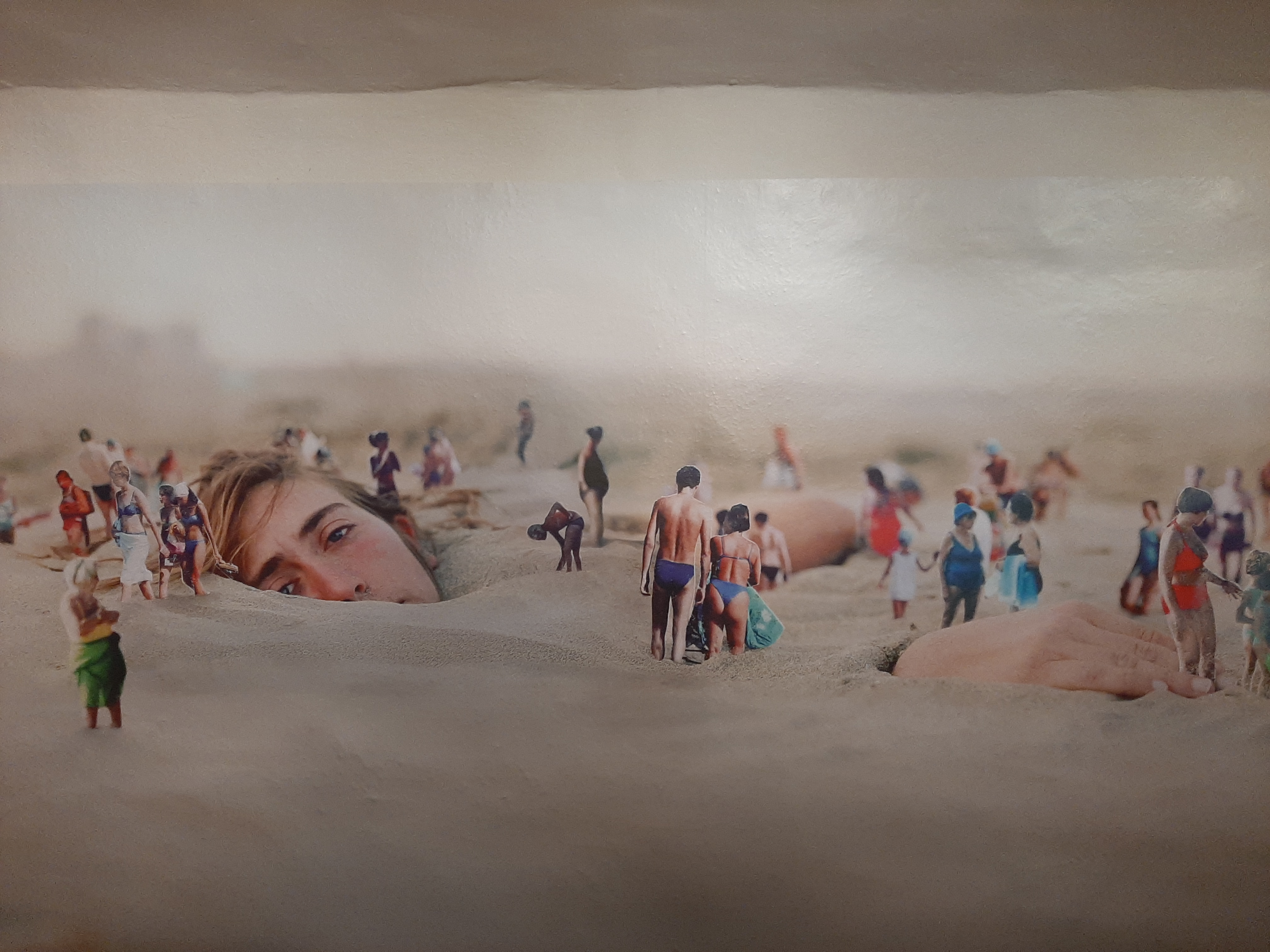
“To look again at what surrounds us. To recognize the marks of time, to discover nuances — even the most imperceptible ones, those that slip past reality, yet that photography knows how to capture and entrust to memory. To observe is an act that defines us; in it are reflected our history, our knowledge and our feelings, emotions and memories. In every act of seeing, fragments of autobiography pour forth. In this image-saturated age, Beautiful Country invites us to observe more carefully, to become more aware of the world around us and its fragile balance to which we are inextricably connected.” This excerpt from the artistic director’s statement introduces Beautiful Country, the new edition of Cortona On The Move, the Cortona International Photography Festival now in its 16th edition.
After four years under the direction of photographer and curator Paolo Woods, the new Artistic Director of the Festival is curator and journalist Renata Ferri, former director and chief photo editor of iO Donna from 2005 to 2024 and director of photographic production at Contrasto from 1991 to 2005.
The Festival has launched its preview days between July 16th-19th 2026 and is open to visitors until November 1st 2026. This year’s event stems from the desire to tell the story of Italy and to explore its visual and cultural identity and transformations over the last few decades, as a “journey of journeys” observed and portrayed through the lens of photography.
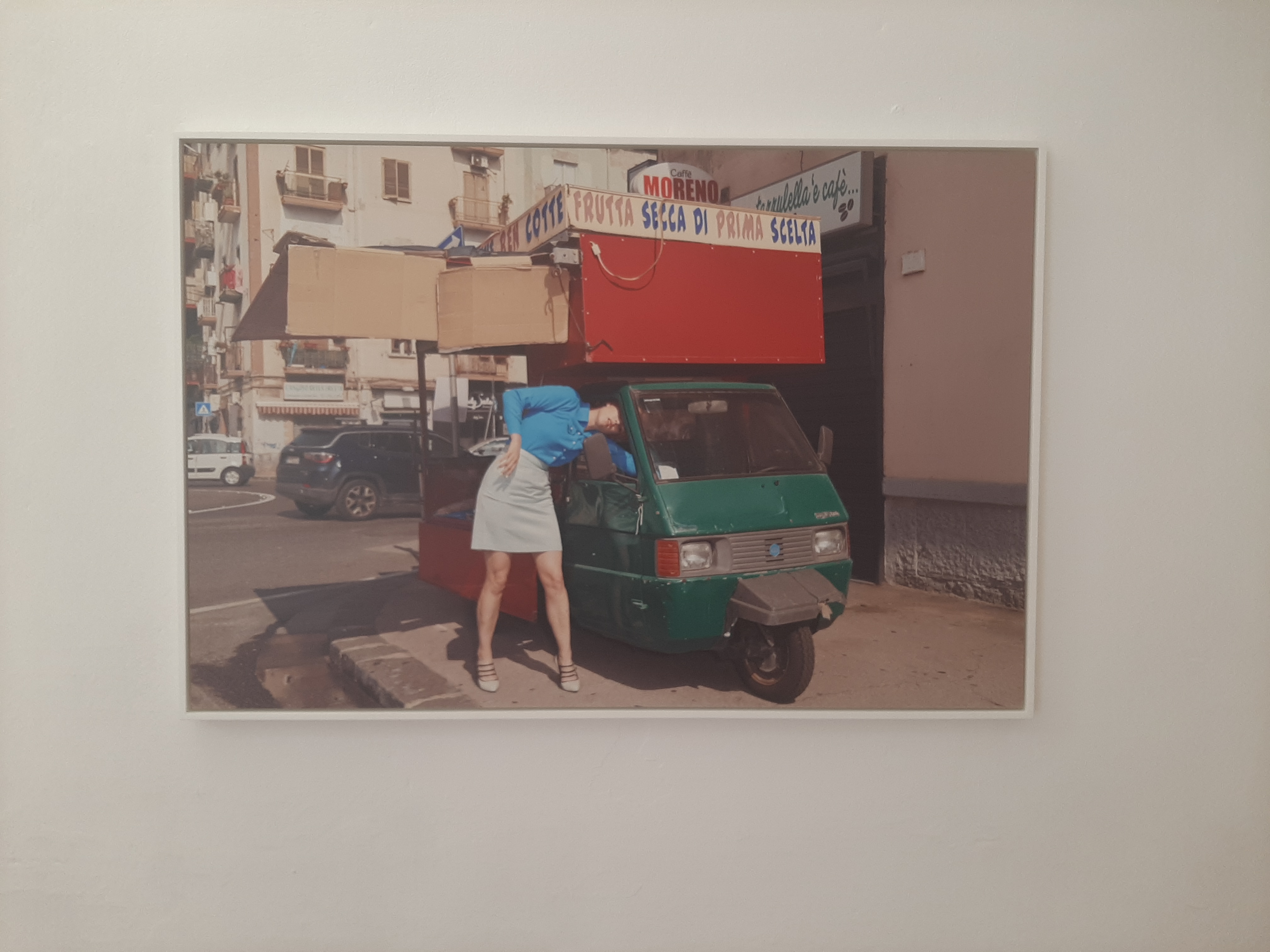
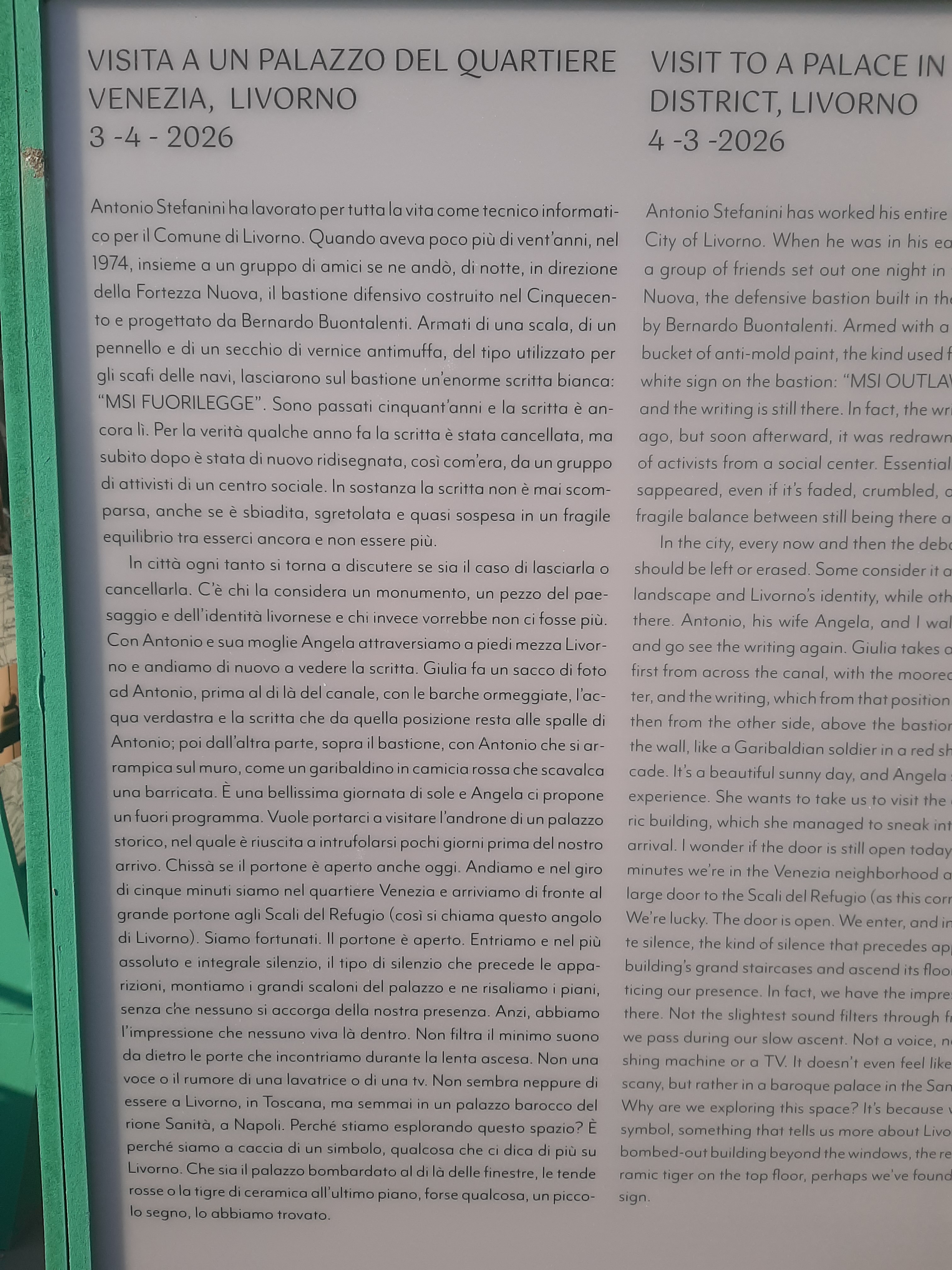
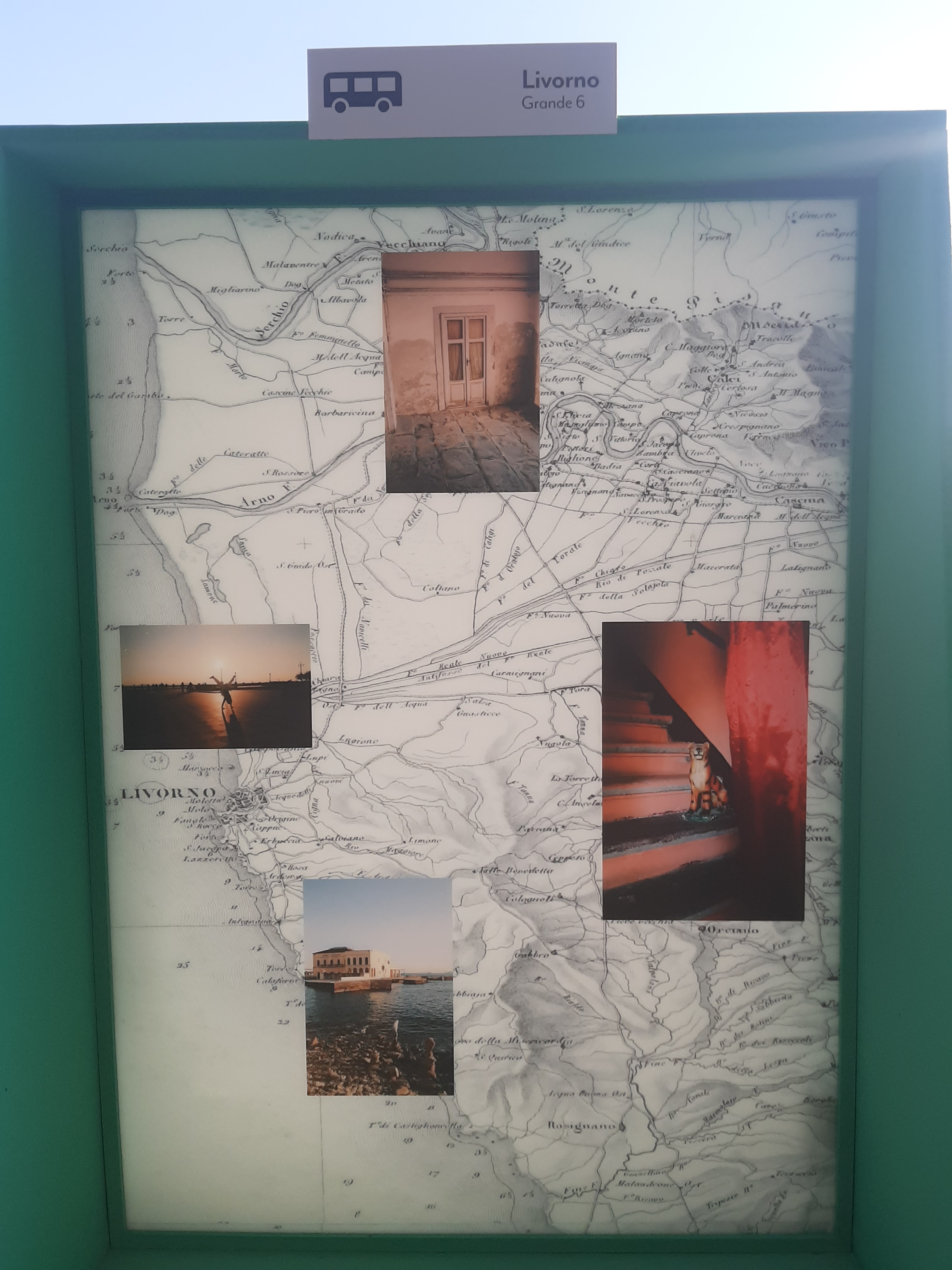
The Festival programme offers more than 30 exhibitions, including solo and group shows, new commissions and original projects, bringing together cross-generational works from both Italian and international photographers. One of the main themes of Beautiful Country is the engagement on dual visions, intertwining the poetics of two photographers from different generations – such as in the show Under the Volcano, blending the works by Federico Pantellani and by young photographer Chiara Indelicato – or in the project Holy Week, where writer Ivan Carozzi and photographer Giulia Mangione embark on a journey through the Tuscan provinces, charting a personal and poetic map of the liminal territories, suspended between memory and present.
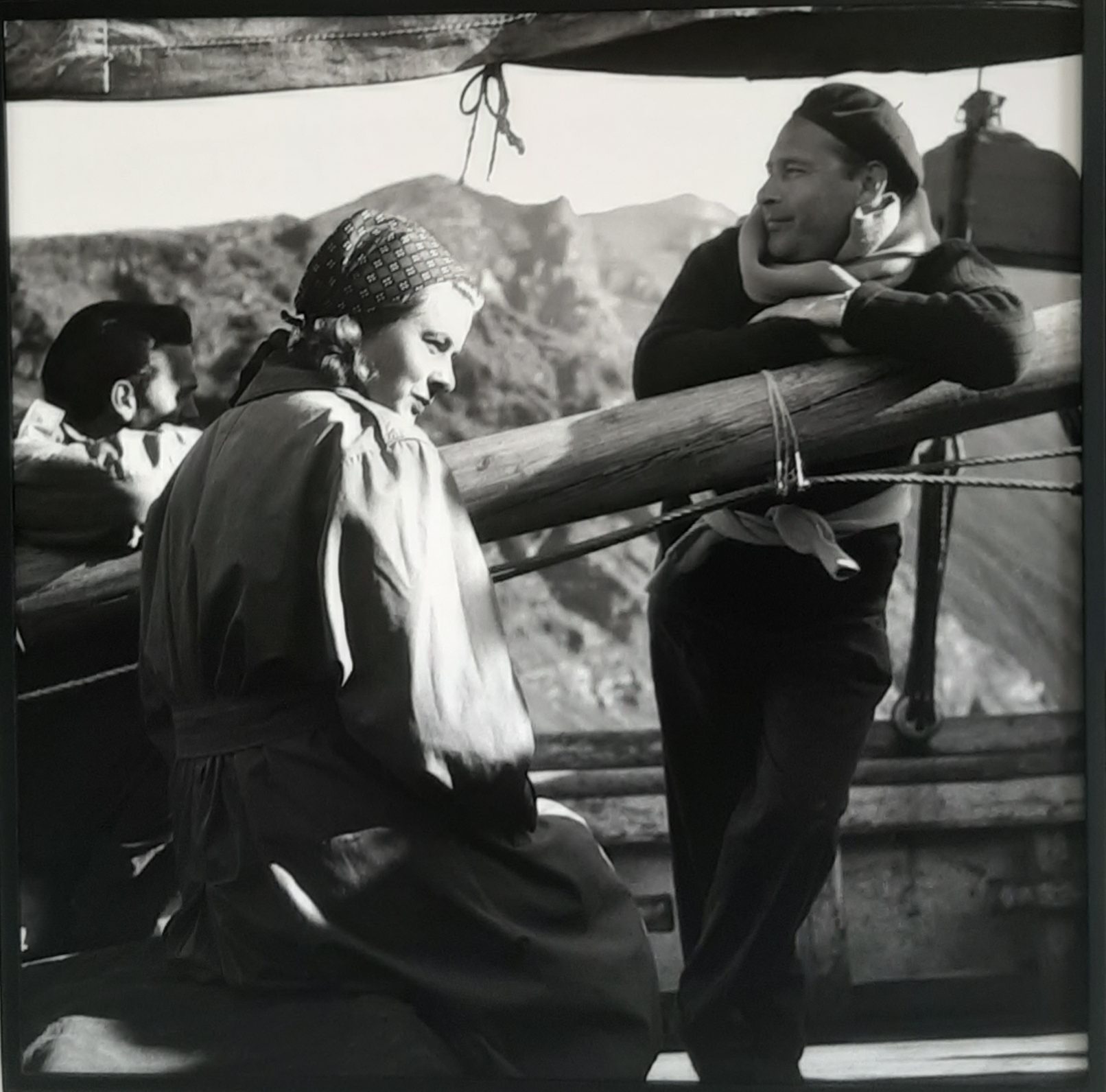
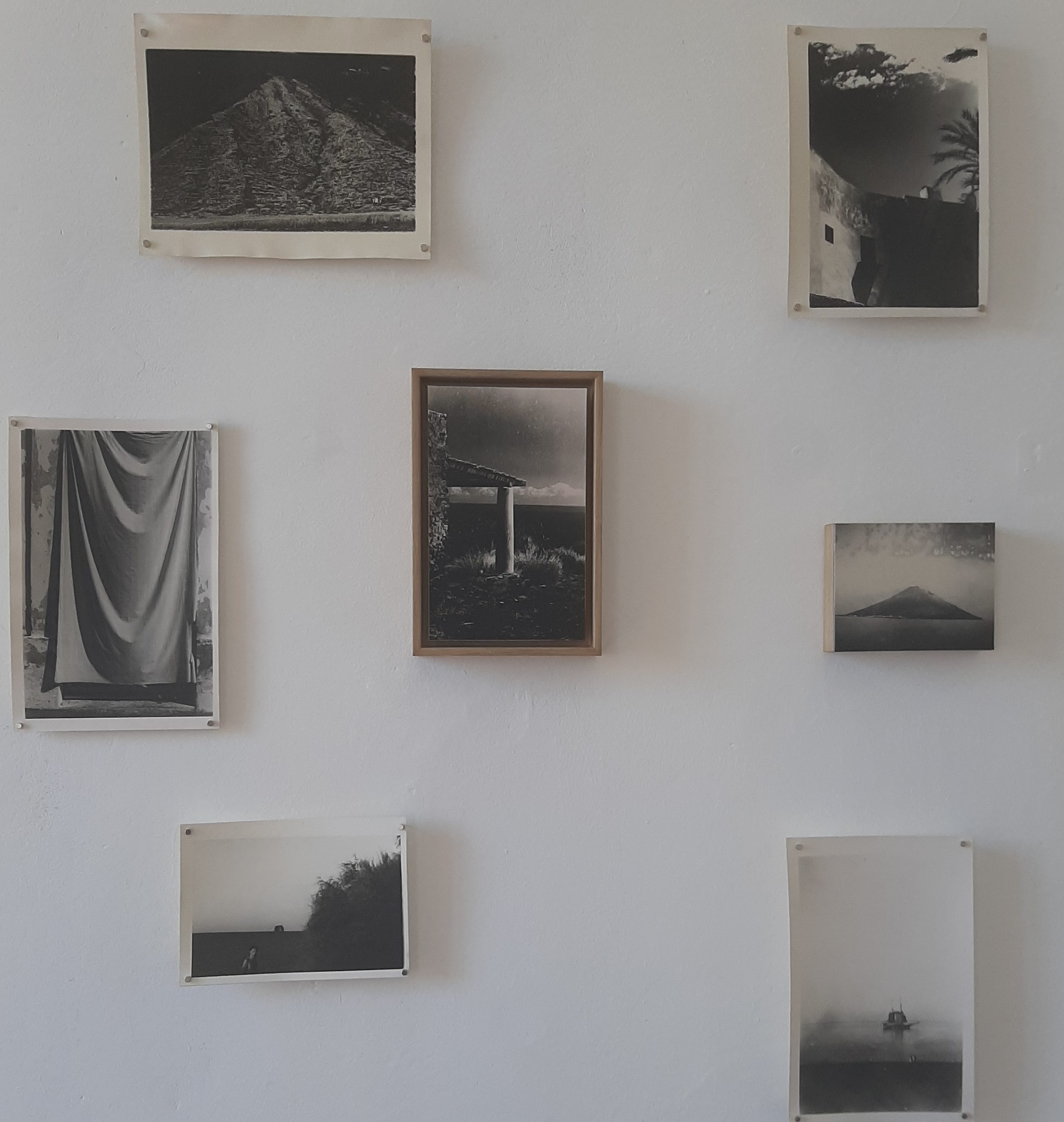
Under the Volcano showcases the encounter between Stromboli (Terra di Dio), documenting the making of the 1949 movie Stromboli by Roberto Rossellini, one of the milestones of the post-war Italian cinema history, and the photographic project Skin of Lava, featuring images taken on the isle of Stromboli and created through a meticulous process using only non-toxic and natural substances. Stromboli, with its frequent eruptive activity and mysterious nature, is the epitome of the constant challenges of inhabiting a volcanic island, forcing us to rethink the way of understanding our environment in a time of global climate change.
Within the main hosting venues in town, The Fortezza del Girifalco is the grand setting of the group show Peninsula, a new commission conceived and directed by Renata Ferri in partnership with Intesa Sanpaolo, Gallerie d’Italia and Fondazione CR Firenze. The show brings together ten contemporary artists – Arianna Arcara, Fabio Barile, Marina Caneve, Federico Clavarino, Matteo De Mayda, Giorgio Di Noto, Alessandro Imbriaco, Rachele Maistrello, Giulia Parlato, Giovanna Silva – who are invited to investigate the territories of our country, reflecting on the lessons of the masters, in particular the great artists behind the cornerstone of Italian contemporary photography: Viaggio in Italia.
Versi Liberi by Federico Clavarino, Maestrale by Arianna Arcale and Souvenirs by Giovanna Silva are among the most remarkable projects within Pensinsula: the first one weaving meanings and pieces of the world, the second rooted in a personal narrative, the third one exploring Italian cities through a renewed canon on architecture photography.
The underpinning reference of this year’s Festival is undoubtedly Luigi Ghirri’s lesson: seeking out a slower interpretation of photographs and a careful reflection on the visible beyond the noticeable. As in his amazing shots, the aspiration of Beautiful Country is to pursue the thoughts and stories inhabiting the visible, not only the easily identifiable reality that has highly symbolic content, but also thoughts, memories, imaginations, and fantastical or alienated content.
“The subjects of my photographs are those of the everyday… they belong to our customary field of vision: hence, these are images we are used to enjoy passively. These images are charged with new significance as the camera isolates them from familiar surroundings, creating a new narrative” (Ghirri, “Paesaggi di cartone”, in Niente di antico sotto il sole. Turin: SEI, 1997, 17).
