About Brazilian curator Adriano Pedrosa’s Venice Biennale “Foreigners Everywhere”
The 60th edition of the Venice Art Biennale, the world longest-running and most famed festival of contemporary art, is well into its displaying activity, after opening its door with three intense days of previews and press launches. My visit to the inauguration days has been as hectic and crazy as possible, in the resolute determination not to miss a single detail of the pavilions as well as of the international Exhibition at both Arsenale and Giardini. The mammoth purpose will require a second visit though, as the breadth of the artistic proposal is so wide and dense that no-one can possibly manage to fit it all in less than a three or four-day long trip.
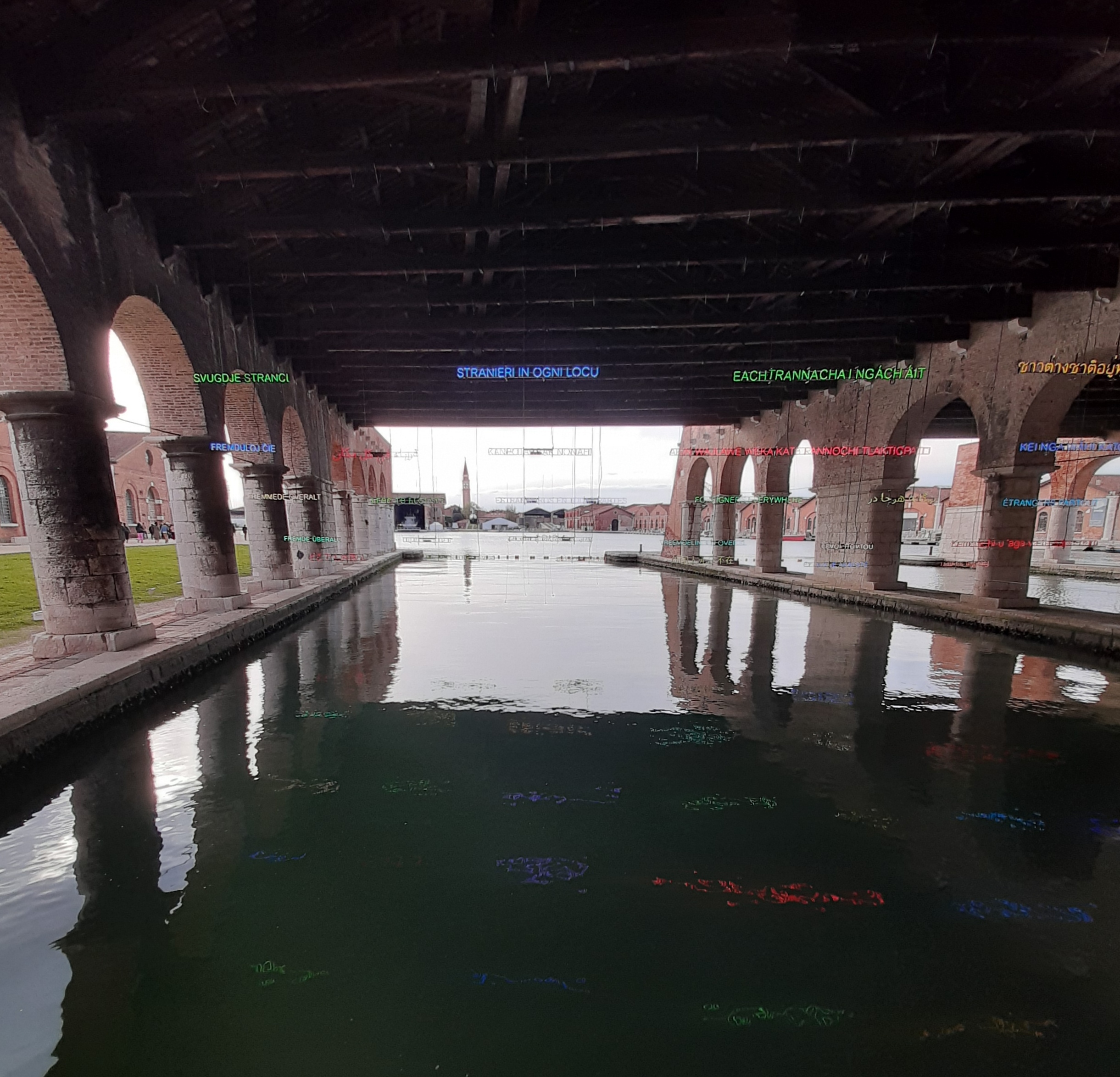
The title of the 60th Exhibition “Foreigners Everywhere – Stranieri Ovunque” is drawn from a series of works made by the Paris-born and Palermo-based collective Claire Fontaine since 2004. The works consist of neon sculptures in different colors that render in a 53 different languages, including several indigenous and extinct idioms, the expression “Foreigners Everywhere”. The title is in turn taken from the name of a collective from Turin that in the early 2000s fought racism and xenophobia in Italy: Stranieri Ovunque. The large-scale and coloured installation is showcased in the iconic Gaggiandre shipyards in the Arsenale.
As Curator Adriano Pedrosa, artistic director of the Museu de Arte de São Paulo, affirms in his own introductory statement “The expression Foreigners Everywhere has several meanings. First of all, that wherever you go and wherever you are you will always encounter foreigners—they/we are everywhere. Secondly, that no matter where you find yourself, you are always truly, and deep down inside, a foreigner.” Being a foreigner, a migrant, an expat, or a diasporic, émigrés, exiled, refugee individual – and an artist in particular – is the keynote of this year’s Art Biennale. Migrations and decolonization, travels and movements through cities, countries and continents, especially between the Global South and the Global North, the sense of displacement and dislocation experienced by strangers and outlanders, are among the main themes addressed by the curatorial approach.
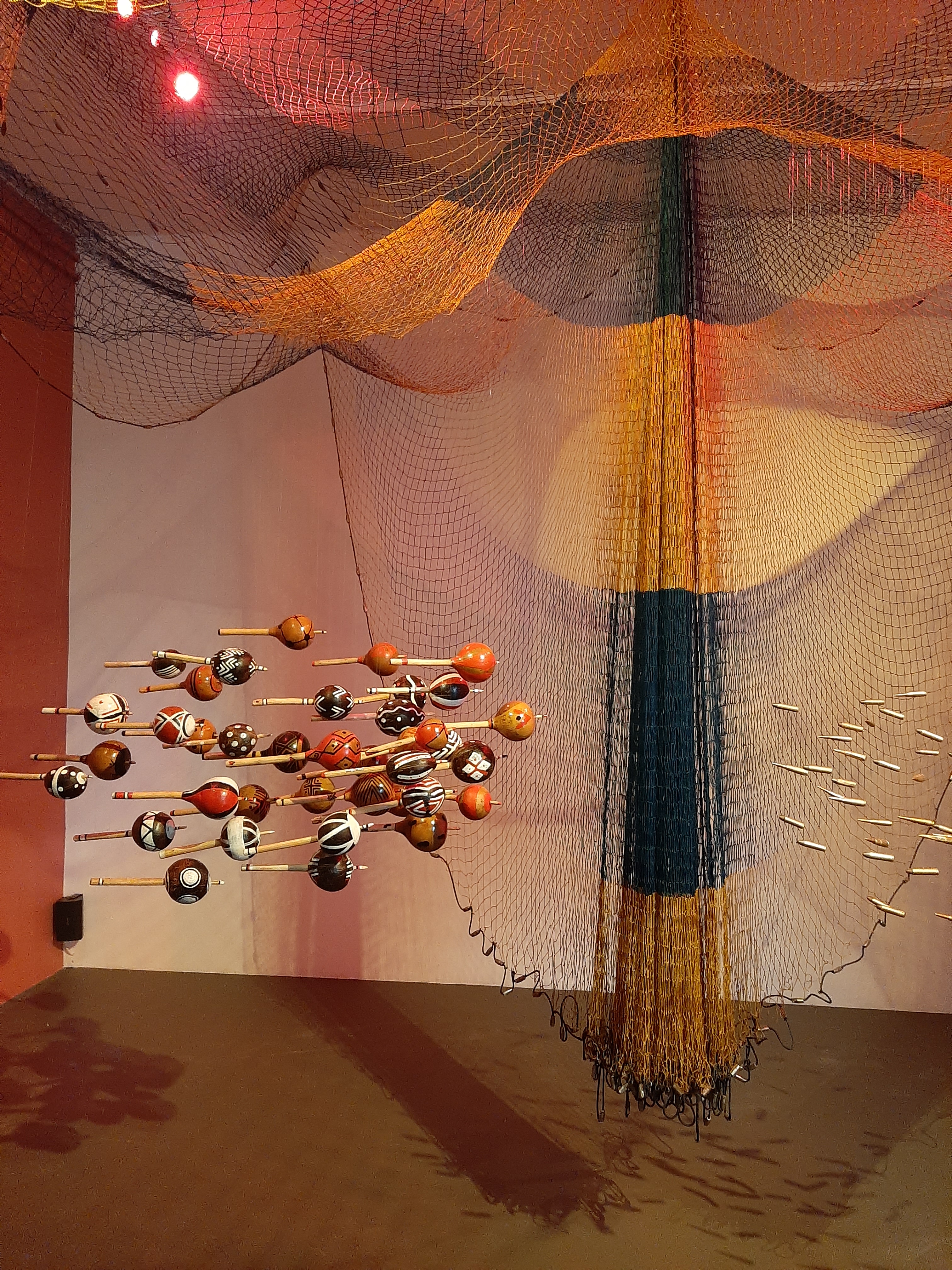
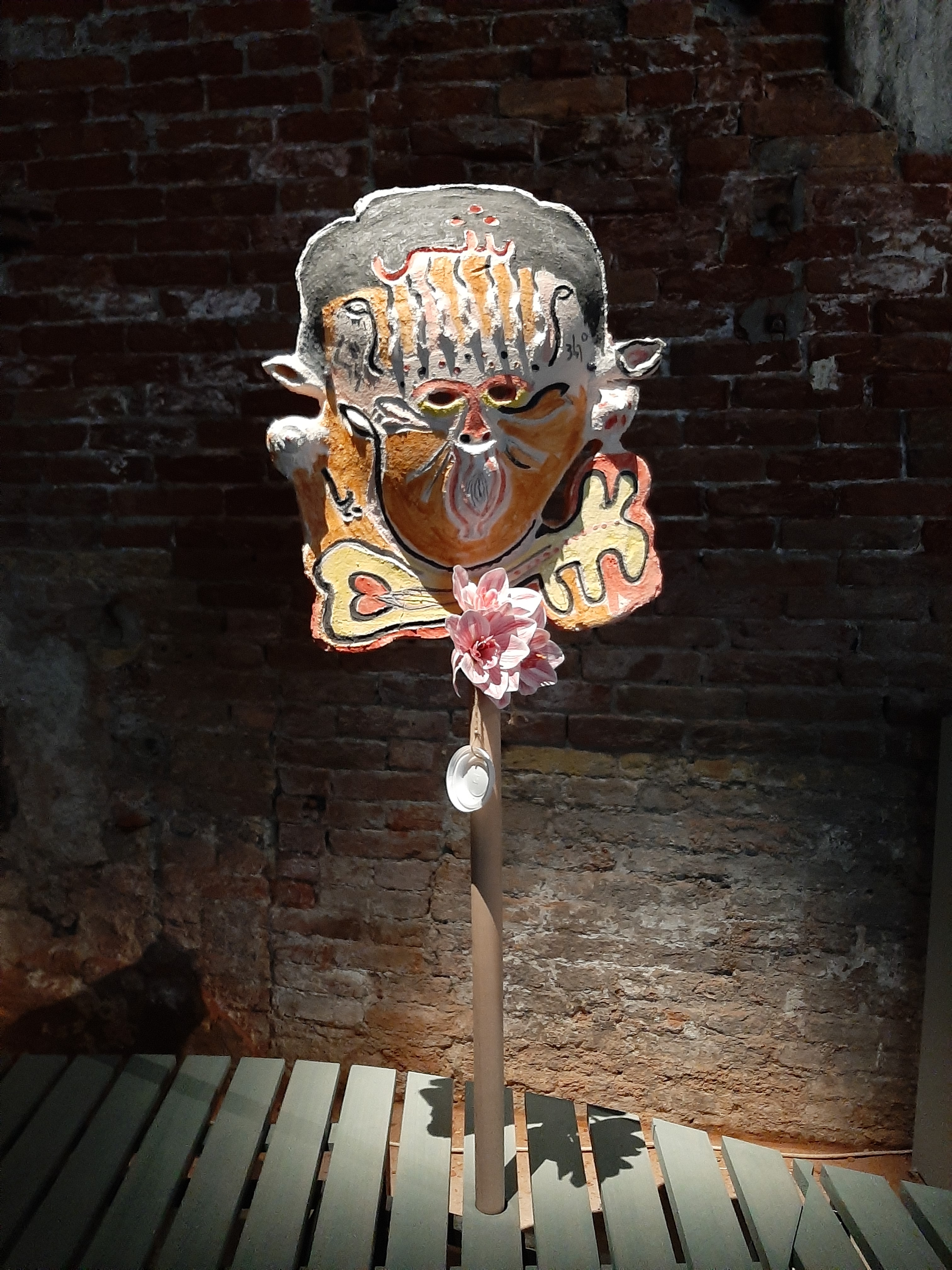
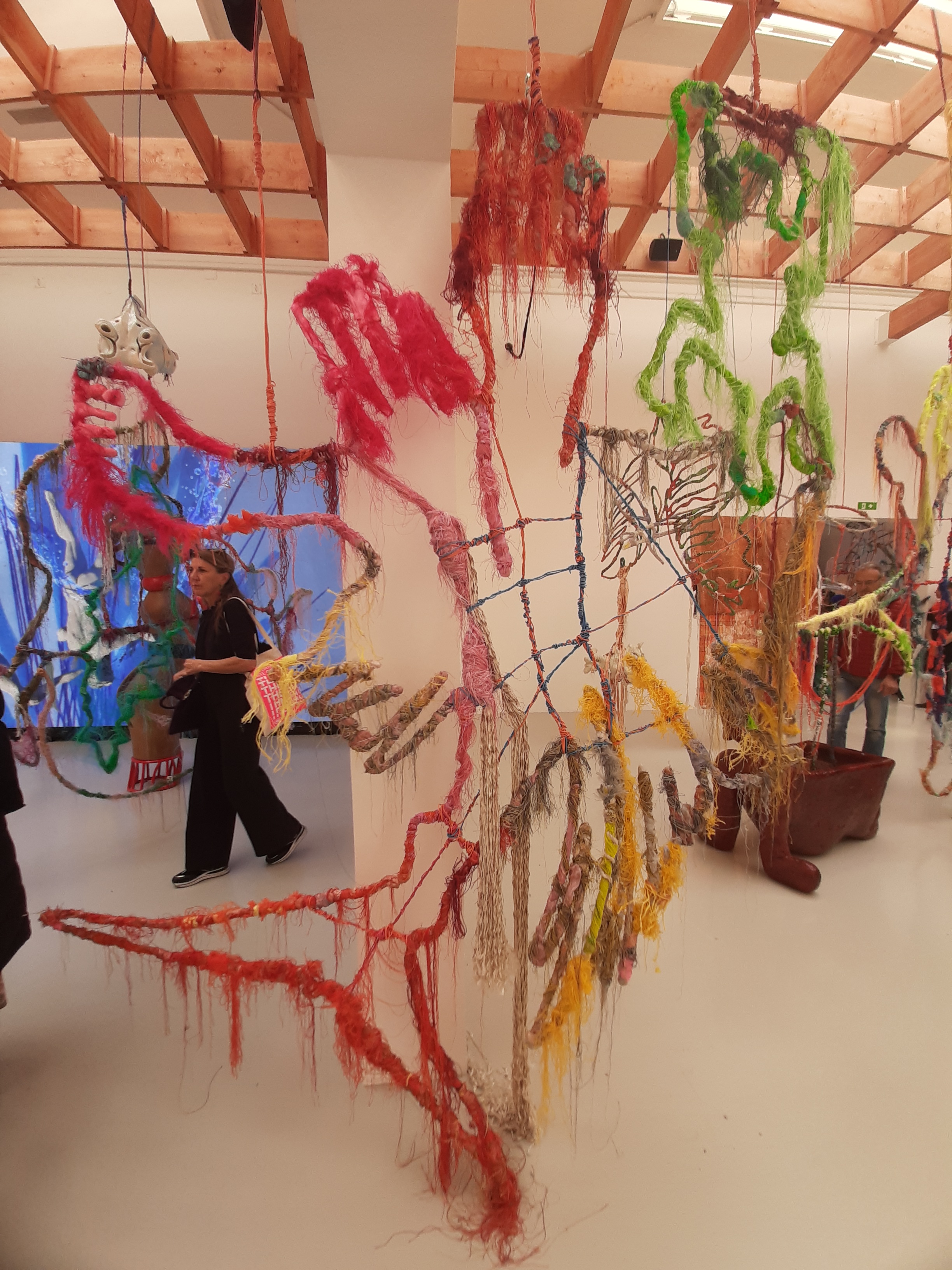
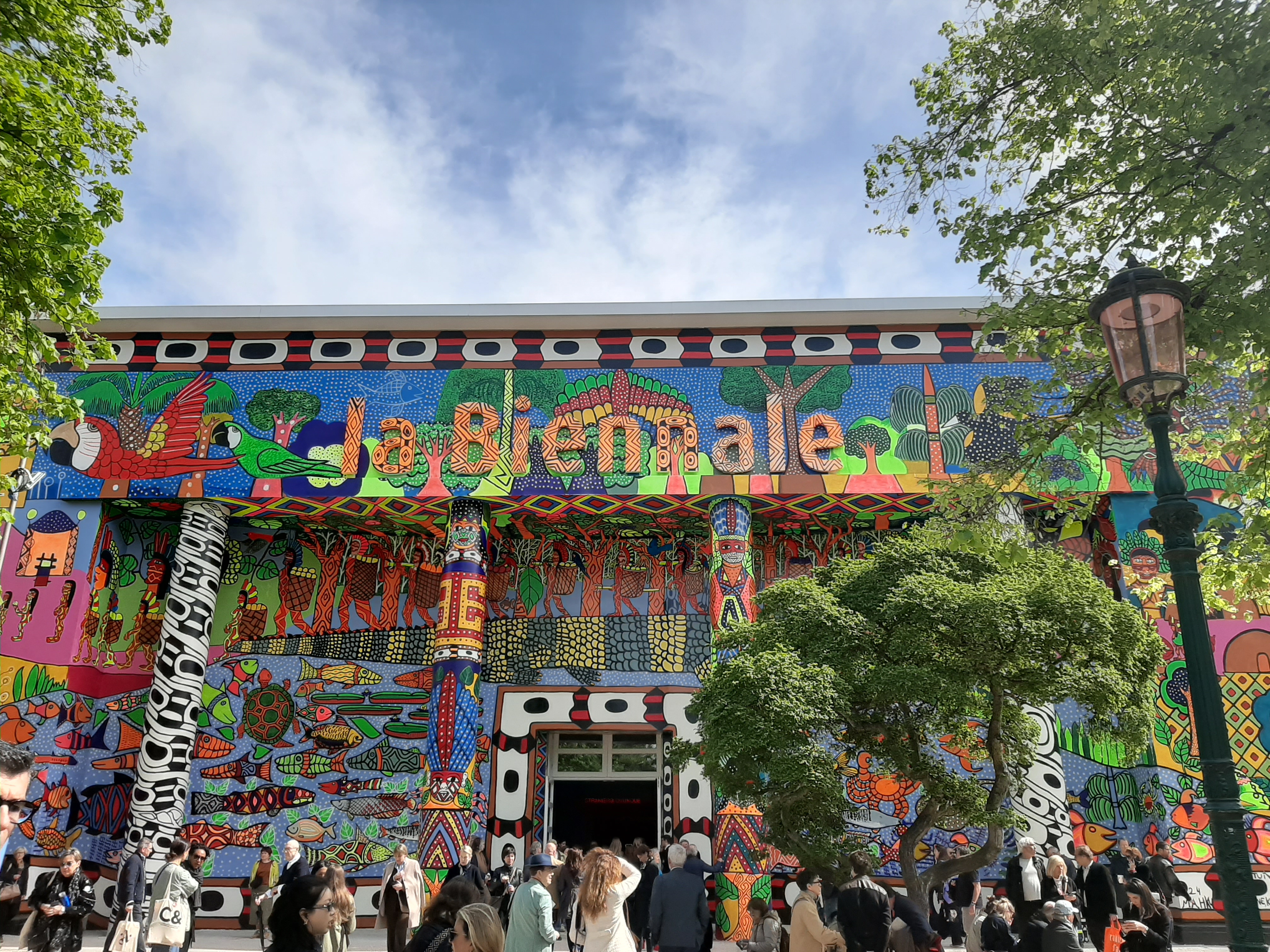
Queer artists, the outsider artist, who is frequently excluded from the big art world, the self-taught artist, the folk artist and the artista popular; as well as the indigenous artist, who is often marginalised and isolated in his or her own land: their works, their narratives and histories are showcased in the Nucleo Contemporaneo section, finding adequate representation and exposure. The Central Pavilion welcomes the visitors to the International Exhibition with a monumental mural on the building façade by Makhu collective from Brazil, while the Corderie in the Arsenale present a large-scale installation in the first room by the Maataho collective from Aotearoa—New Zealand.
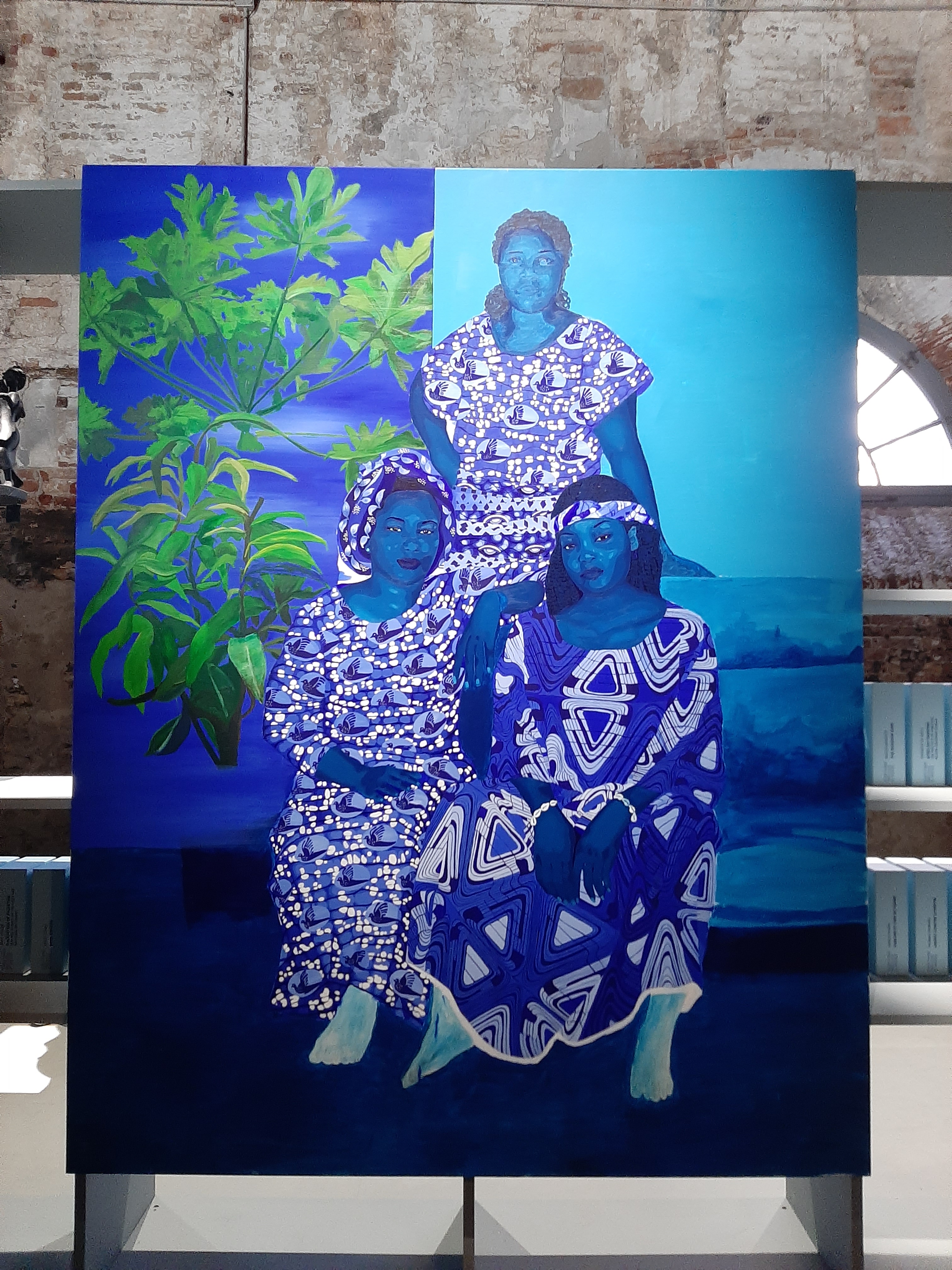
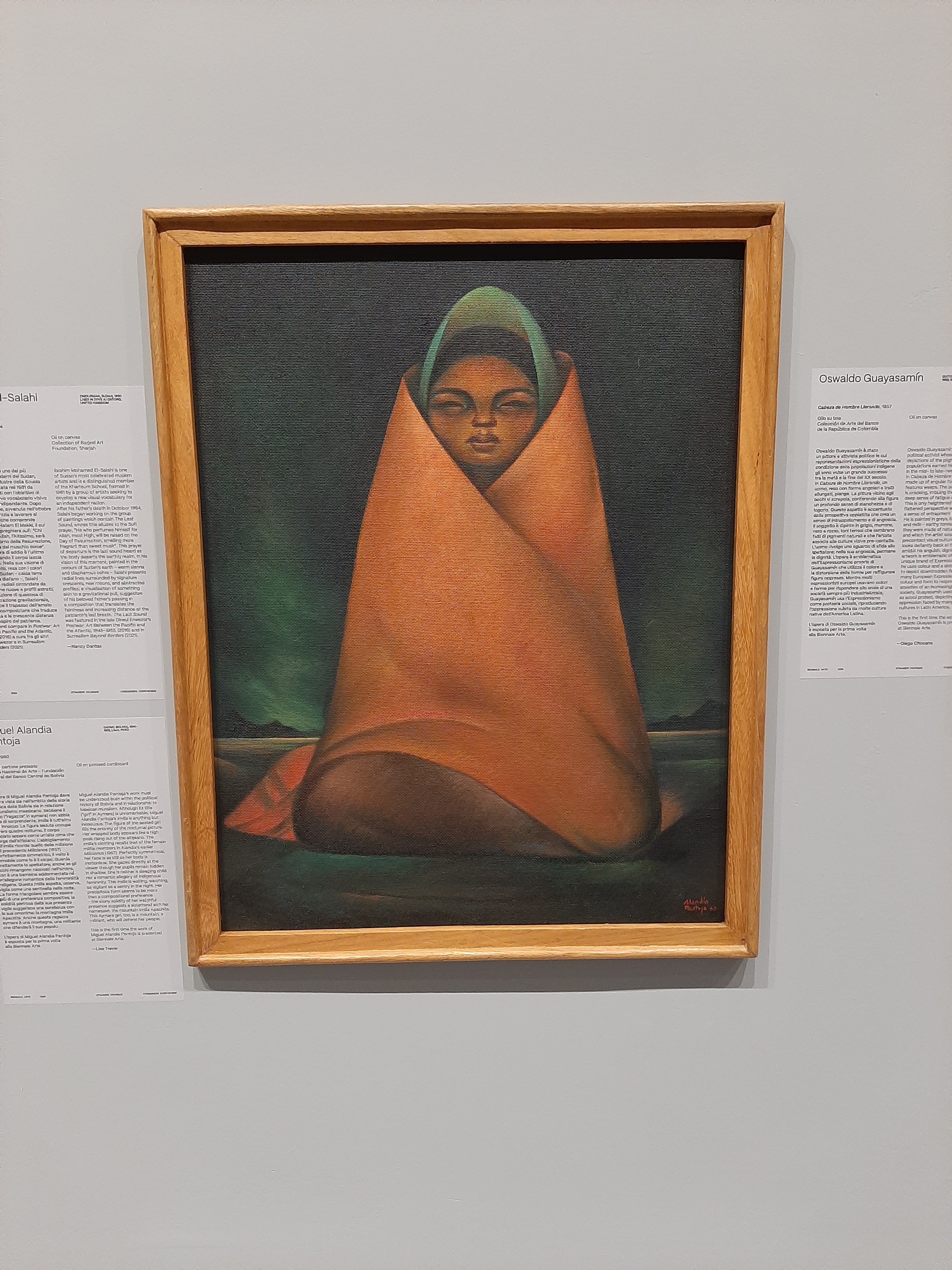
The International Exhibition also features a Nucleo Storico, gathering works from 20th century Latin America, Africa, the Middle East and Asia. This section of the exhibition is presented throughout three rooms, showcasing one work for each artist and including paintings, works on paper and sculptures spanning the years from 1905 to 1990. The featured works are drawn from the territories of Modernism in the Global South, through a curatorial exercise questioning the boundaries and definitions of modernism as a global movement. As Pedrosa adds in his curatorial statement “The unique, distinct types of modernism around the Global South assume radically new figures and forms as they often dialogue with local and indigenous narratives and references.” In the Central Pavilion, one room is devoted to portraits and representations of the human figure while a second room features abstract works. The double room “Portraits“, includes works by 112 artists from Algeria, Aotearoa—New Zealand, Argentina, Bolivia, Brazil, Chile, China, Colombia, Cuba, Dominican Republic, Ecuador, Egypt, Ghana, Guatemala, India, Indonesia, Iran, Iraq, Jamaica, Korea, Lebanon, Malaysia, Mexico, Mozambique, Nigeria, Pakistan, Peru, Philippines, Puerto Rico, Singapore, South Africa, Sri Lanka, Sudan, Tunisia, Turkey, Uruguay, Venezuela, Vietnam, and Zimbabwe. The selection shows how the human figure has been explored in many different ways by artists in the Global South, bringing their personal reflections and contributions to the theme around the crisis of representation. In the Global South, many artists were in touch with European modernism, through travels, studies or books, yet they bring in their own highly personal and powerful reflections and contributions to their works. Most works depict non-white characters, which in Venice, at the heart of the Biennale, becomes an eloquent feature of this large and heterogeneous group and the Exhibition itself.
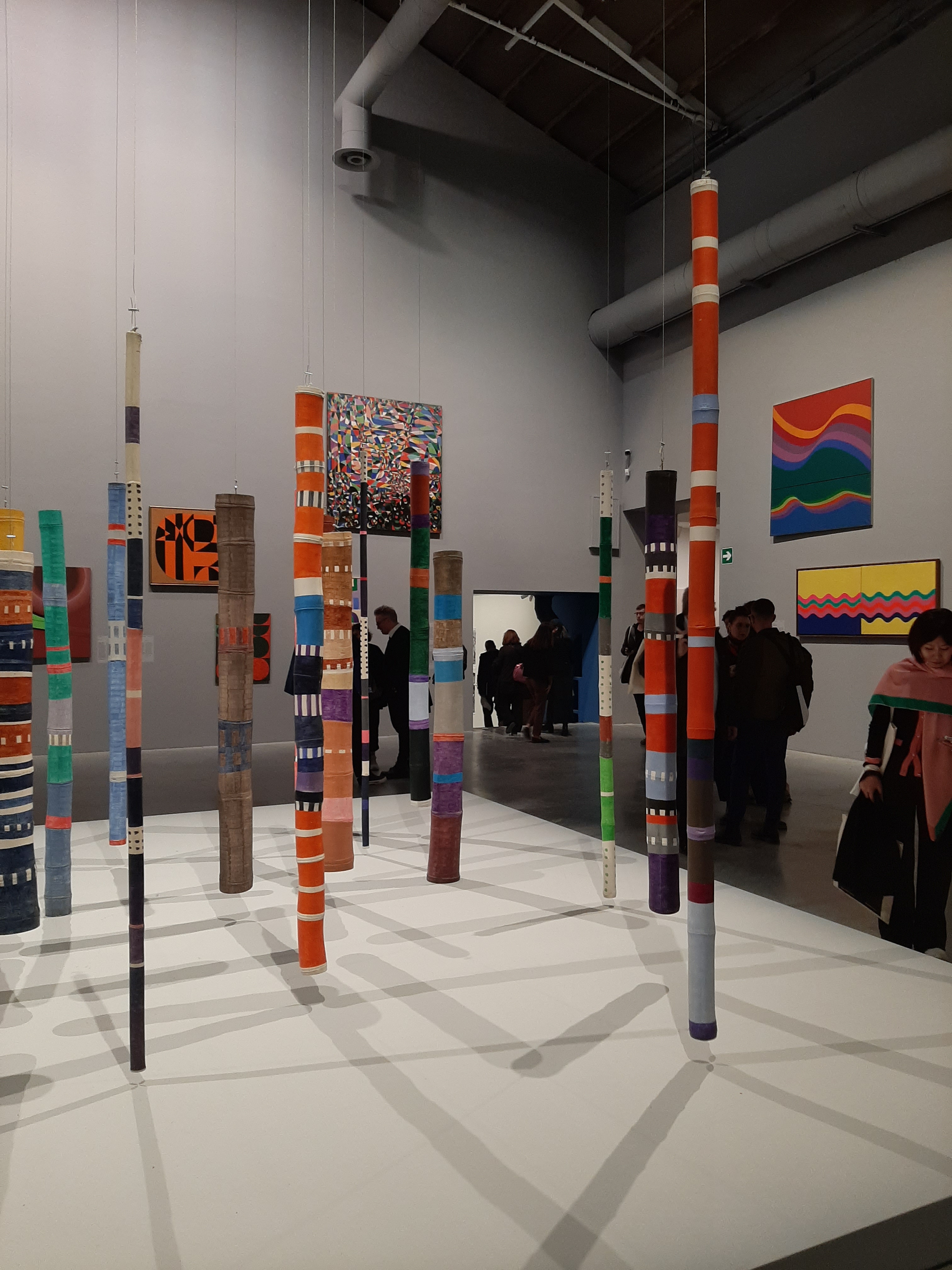
The room devoted to Abstractions includes works by 37 artists from Argentina, Aotearoa—New Zealand, Brazil, Colombia, Cuba, Dominican Republic, Egypt, Guatemala, India, Indonesia, Iraq, Jordan, Lebanon, Mexico, Morocco, Pakistan, Palestine, Philippines, Puerto Rico, South Africa and Turkey. The highlight of this section is the extraordinary Casablanca School of painters from Morocco, represented in the Biennale by Mohammed Chabâa, Mohamed Hamidi, Mohammed Kacimi, and Mohamed Melehi. The importance of their contribution to abstraction has been recently reaffirmed by a major survey at Tate St. Ives earlier last year. The exhibition has explored the intense period of artistic rebirth that followed Morocco’s independence in 1957, paving the way for the pioneering work of the Casablanca School in the 1960s and 1970s. Led by Farid Belkahia alongside Mohammed Chabâa, Mohamed Melehi and others, the school created a cutting-edge paradigm for a new generation of socially engaged modern artists, who formed an influential avant-garde network, bringing together a wide variety of the so called Moroccan ‘new wave’, from abstract paintings and urban murals to applied arts, typography, graphics and interior design.
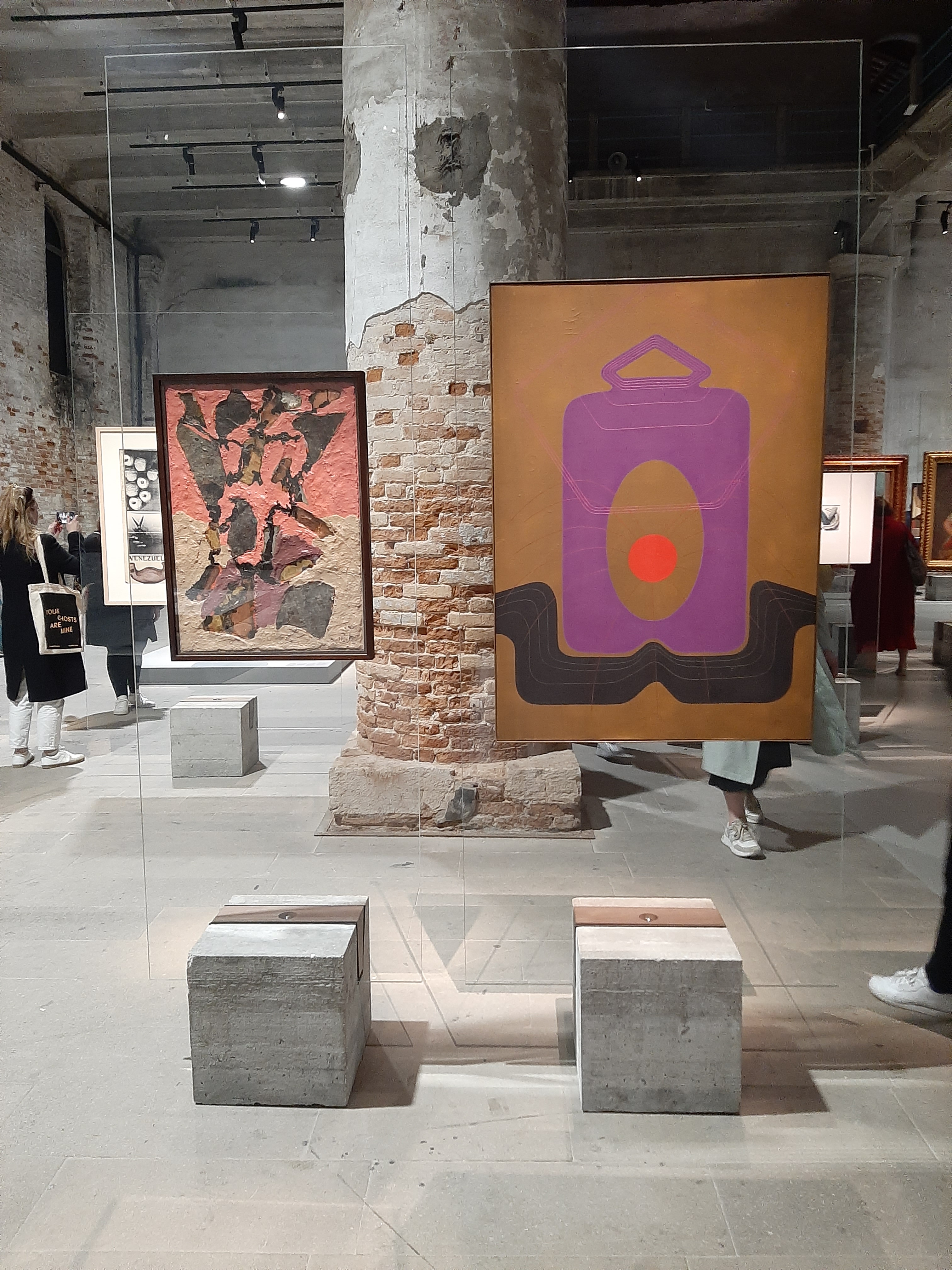
The “Nucleo Storico” in the Arsenale space presents the most remarkable and elegant display of the entire international exhibition. The works, mostly paintings, are displayed on glass easels that rest on concrete blocks; they float in the center of the room while the wall labels are on their back. For this display, Pedrosa has brought Italian-born architect Lina Bo Bardi’s iconic installation design from Museu de Arte de São Paulo, where he is artistic director, for the museum’s permanent collection, which he revived at the museum after taking over. The room is devoted to the Italian artistic diaspora throughout XX century: a large number of Italian artists travelled or moved abroad integrating their practice with local cultures and building their careers in Africa, Latin America, Europe and United States. Lina Bo Bardi herself is an Italian who moved to Brazil, and who won the 2021 Biennale Architettura’s Special Golden Lion for Lifetime Achievement in Memoriam.
Brazil itself plays a great part in the overall intertwining narrative of this year’s Art Biennale, as curator Adriano Pedrosa affirms in his statement”…I come from a context in Brazil and in Latin America where the indigenous artist and the artista popular play important roles; although they have been marginalized in art history, they have recently begun to receive more attention. Brazil is also home to many diasporas, a land of foreigners as it were: besides the Portuguese who invaded and colonized the country, it is home to the largest African, Italian, Japanese and Lebanese diasporas in the world.”